

Nepal Landslide Triggers Catastrophic Flash Flood on Tibet Border
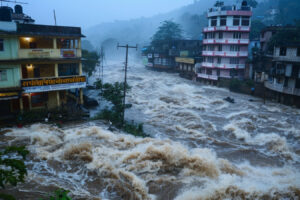
A catastrophic flash flood has struck Nepal’s northern Rasuwa district after a massive landslide and glacial collapse in the Himalayas triggered a devastating surge of water, ice and debris through valleys along the Nepal–Tibet border.
The disaster on 26 August swept through communities and infrastructure near the Bhote Koshi River, destroying homes, roads, bridges and other critical infrastructure. The impact has extended into neighbouring Tibet, including the strategically important Gyirong border area.
The US Geological Survey has determined that seismic activity initially thought to indicate an earthquake was instead generated by the collapse of a glacier and associated landslide/debris flow. Satellite analysis indicates that a large mass of ice and rock descended thousands of metres, generating an exceptionally powerful and rapid flood.
The human cost remains uncertain, with at least 160–180 deaths reported across Nepal and Tibet and more than 1,000 people potentially missing. Among those unaccounted for are foreign tourists, pilgrims, local residents, police officers and workers at infrastructure projects.
Rescue operations have been severely complicated by damaged roads and bridges, disrupted communications and power supplies, and difficult mountainous terrain. Authorities are also monitoring rivers for the possibility of further flooding caused by unstable debris blockages.
For the security and resilience community, the disaster highlights the vulnerability of critical infrastructure and transport corridors to cascading natural hazards, particularly in mountainous regions where climate-driven glacial instability can create rapid, low-warning threats to communities, energy infrastructure and cross-border connectivity.